Thefamousnaija
How Much is Xiaomi Redmi 13C in Nigeria? — Current Prices, Full Specs & Buying Guide
📅 Last updated: March 20, 2026
The Xiaomi Redmi 13C price in Nigeria starts from ₦80,000 for a used unit and ₦125,000 for a brand new 4GB/128GB model as of March 2026. At this price, you consequently get a 6.74-inch 90Hz IPS LCD display, the MediaTek Helio G85 processor, a 50MP main camera with PDAF, a 5,000mAh battery, a 3.5mm headphone jack, and microSD expansion up to 1TB. Altogether, this therefore makes it one of the most popular budget smartphones currently available in Nigeria under ₦160,000. In addition, brand new units are widely available across Jumia, Jiji.ng, Konga, and major phone markets in Lagos, Abuja, Port Harcourt, and other Nigerian cities.
It is however important to note upfront that the Redmi 13C launched in November 2023 on Android 13 with MIUI 14 and receives only limited software updates. As a result, buyers who prioritise long-term software support should therefore consider this carefully — especially when compared to alternatives like the Samsung Galaxy A15, which guarantees up to 4 years of OS updates at a similar or lower price.
🔔 Price Notice: Redmi 13C prices in Nigeria change frequently due to exchange rate fluctuations and seller pricing differences. Therefore, always confirm the current price directly with the seller before making any purchase decision. All prices verified by TheFamousNaija.com — March 2026.
📚 Read Also: 👉 How Much is Samsung Galaxy A15 in Nigeria? 👉 Samsung Galaxy Prices in Nigeria — Complete Guide (2026)
Xiaomi Redmi 13C Price in Nigeria — March 2026
The Redmi 13C price in Nigeria currently ranges between ₦125,000 and ₦215,000 for brand new units depending on RAM and storage configuration. Meanwhile, used units are significantly cheaper and are consequently available at lower prices — particularly on Jiji.ng where competition between sellers drives prices down further.
| RAM / Storage | Brand New Price (₦) | Used Price (₦) |
|---|---|---|
| 4GB / 128GB | ₦125,000 – ₦150,000 | ₦80,000 – ₦110,000 |
| 6GB / 128GB | ₦148,000 – ₦170,000 | ₦100,000 – ₦135,000 |
| 8GB / 256GB | ₦162,000 – ₦215,000 | ₦120,000 – ₦160,000 |
Why Xiaomi Redmi 13C Prices Change in Nigeria
Several factors consistently influence Redmi 13C pricing in Nigeria. Understanding these factors consequently helps you buy at the right time and avoid overpaying.
1. Naira-Dollar Exchange Rate
Above all else, the exchange rate is the single biggest price driver. Since the Redmi 13C is an imported device, any significant naira depreciation will consequently push prices upward almost immediately. Therefore, always check the current rate at AbokiFX before making a purchase decision.
2. RAM and Storage Variant
The Redmi 13C comes in 4GB, 6GB, and 8GB RAM variants — and naturally, higher RAM versions cost more. However, because storage is expandable up to 1TB via microSD, the 128GB model therefore offers the best value for most Nigerian buyers — the storage gap closes cheaply without paying the internal memory premium.
3. New vs Used Units
Used units are considerably cheaper than brand new options. However, battery condition and physical wear vary significantly between individual listings at this age. Therefore, always inspect the battery health carefully before buying any used Redmi 13C unit.
4. Seller Platform
Your choice of platform consequently affects both the price you pay and the level of protection you receive:
- Jiji.ng — cheapest prices available; however, requires careful personal verification before payment
- Jumia — slightly higher prices; however, offers buyer protection and return policy on eligible purchases
- Konga — similar to Jumia in price and protection level
- Physical markets — mid-range prices; allows physical inspection before payment which is consequently the most reliable way to verify condition
As a result, buyers who prioritise protection should therefore choose Jumia or Konga, while buyers who prioritise the lowest price should consequently use Jiji.ng with careful verification.
Full Xiaomi Redmi 13C Specifications
| Specification | Detail |
|---|---|
| Launch Date | November 2023 |
| Chip | MediaTek Helio G85 (12nm) |
| CPU | Octa-core (2.0GHz + 1.8GHz) |
| Display | 6.74-inch IPS LCD HD+ |
| Refresh Rate | 90Hz ✅ |
| Resolution | 720 × 1600 pixels (260 ppi) |
| Screen Protection | Corning Gorilla Glass ✅ |
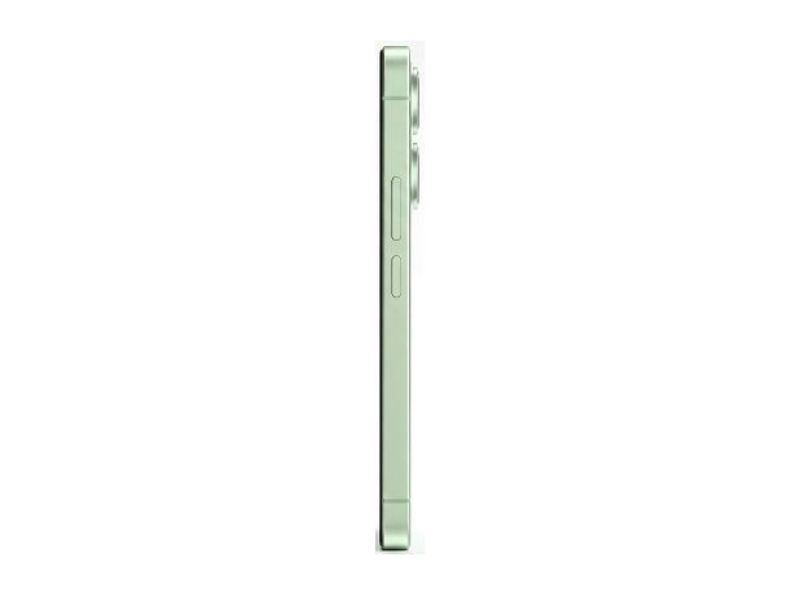
| Dimensions | 168 × 78 × 8.09mm |
| Weight | 192g |
| Main Camera | 50MP, f/1.8, PDAF ✅ |
| Macro Camera | 2MP, f/2.4 |
| Front Camera | 8MP, f/2.0, soft-light ring |
| Video | 1080p @ 30fps |
| OIS | ❌ Not supported |
| Battery | 5,000mAh ✅ |
| Wired Charging | 18W |
| Charger in Box | ⚠️ 10W only — 18W adapter sold separately |
| Wireless Charging | ❌ Not supported |
| Fingerprint Sensor | Side-mounted |
| Face Unlock | ✅ Yes |
| 5G | ❌ 4G LTE only |
| Water Resistance | ❌ No IP rating |
| USB | ⚠️ Micro-USB — NOT USB-C |
| MicroSD | ✅ Up to 1TB |
| RAM Options | 4GB, 6GB, 8GB |
| Storage Options | 128GB or 256GB |
| Headphone Jack | ✅ 3.5mm — present |
| NFC | ❌ Not supported |
| Bluetooth | 5.3 ✅ |
| OS | Android 13, MIUI 14 |
| OS Updates | ~2 years ⚠️ |
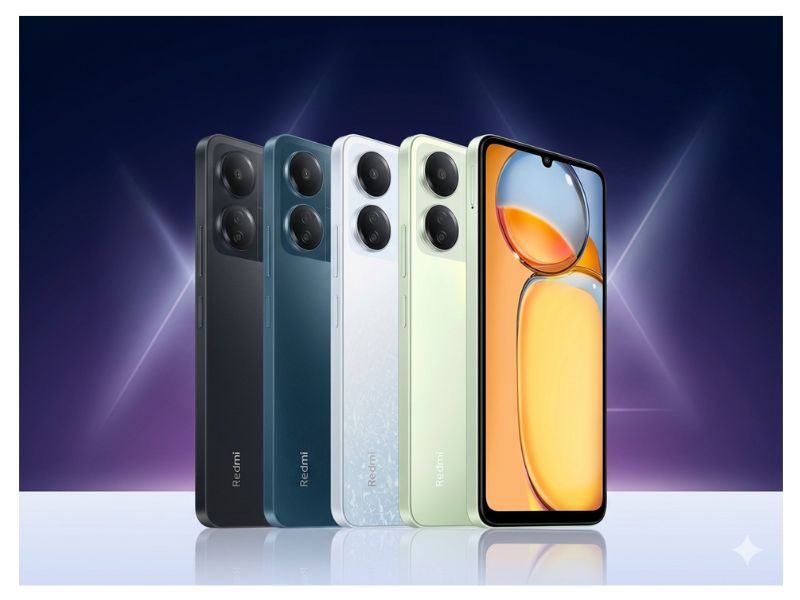
| Colours | Clover Green, Midnight Black, Starlight Silver |
⚠️ Micro-USB Port: The Redmi 13C uses Micro-USB rather than USB-C. This is consequently its most dated hardware feature in 2026, as most Nigerian buyers have already moved to USB-C for all other devices. A separate Micro-USB cable is therefore required for charging.
⚠️ No IP Rating: The Redmi 13C carries no water or dust resistance rating whatsoever. As a result, handle it carefully around rain, sinks, and wet environments — it has no protection against water ingress of any kind.
⚠️ Limited Software Updates: Xiaomi provides only approximately 2 years of OS updates for the Redmi 13C. As a result, the phone is consequently already approaching the end of its software support period. For buyers who plan to keep their phone for 3+ years, the Samsung Galaxy A15 with 4 years of guaranteed updates is therefore the more future-proof choice.
✅ Headphone Jack: The Redmi 13C retains the 3.5mm headphone jack. All existing wired headphones consequently work without any adapter — making it one of the few budget phones in Nigeria at this price that still includes this practical feature.
Xiaomi Redmi 13C Display and Design
Display Quality
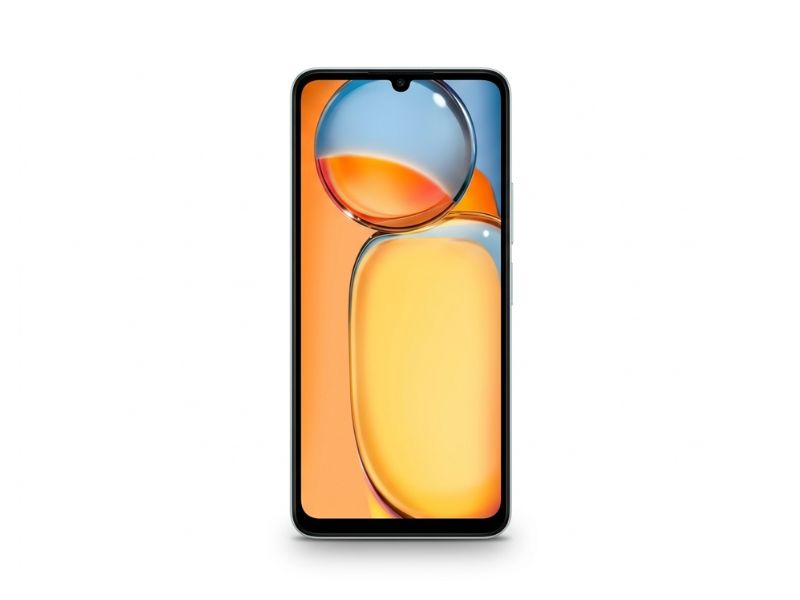
The Redmi 13C’s 6.74-inch IPS LCD display with 90Hz refresh rate is large and adequate for everyday Nigerian use at its price point. Most importantly, the 90Hz refresh rate makes scrolling through WhatsApp, Instagram, and social media feel noticeably smoother than the 60Hz displays found on older and cheaper phones — a meaningful everyday improvement for buyers upgrading from a 60Hz device. In addition, the Corning Gorilla Glass front protection consequently provides better scratch resistance than unprotected displays on competing budget phones at the same price.
Beyond the refresh rate, however, it is worth understanding the display’s clear limitations before purchasing. The resolution of 720 × 1600 HD+ at 260ppi is noticeably lower than the 1080 × 2340 FHD+ resolutions found on the Samsung Galaxy A15 and A16 at similar prices — consequently making text and fine details appear less sharp on the Redmi 13C than on FHD+ AMOLED alternatives. For buyers who primarily use their phone for WhatsApp, calls, and casual social media, this difference is therefore acceptable. For buyers who stream video regularly however, the lower resolution is consequently a meaningful limitation worth considering before committing to a purchase.
Design and Build
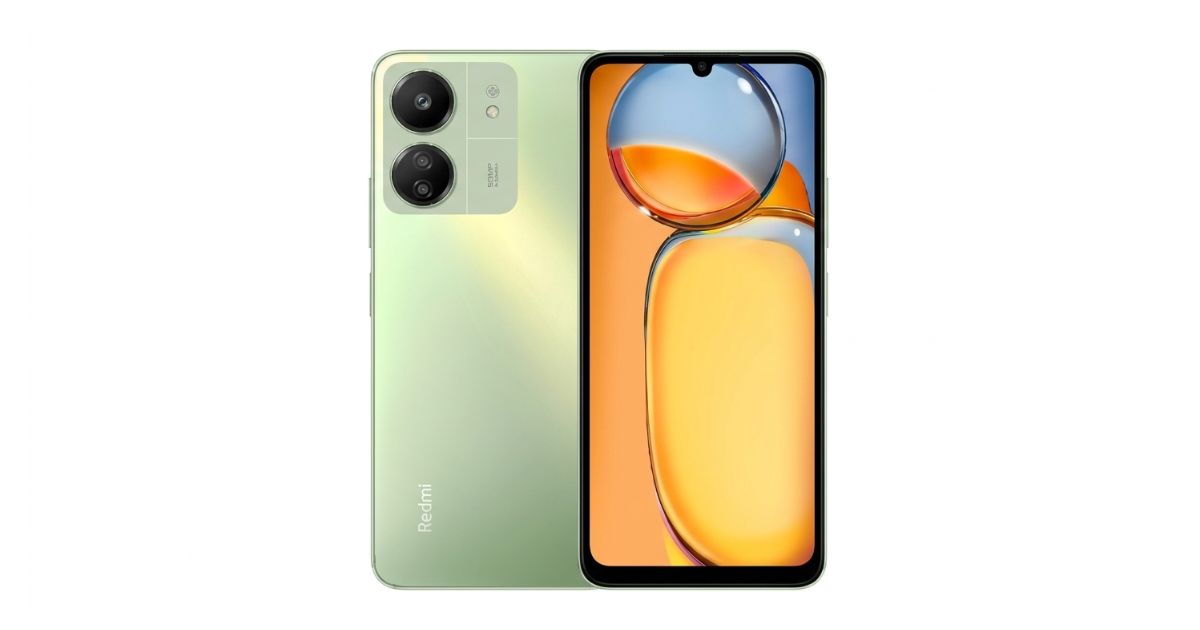
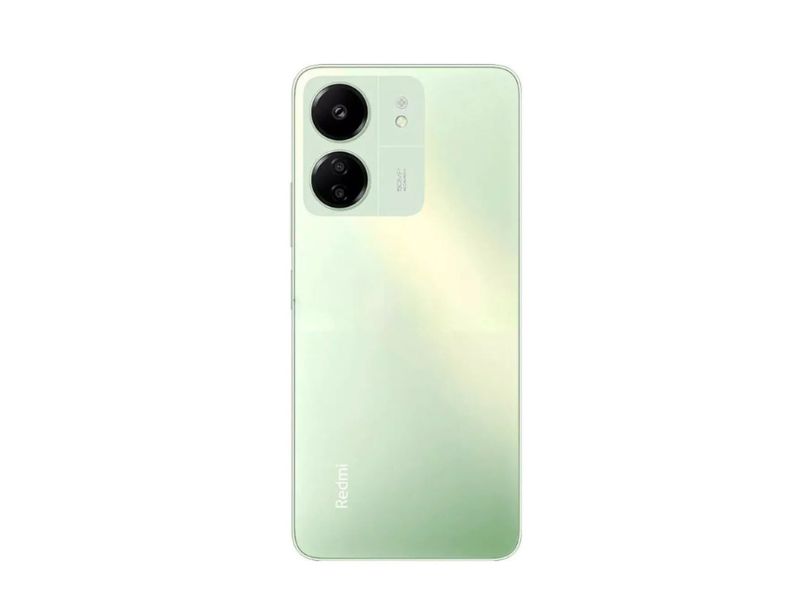
Moving beyond the display, the Redmi 13C delivers a clean and practical design at its affordable price. The triangular camera module on the back is a distinctive visual identity that sets it apart from competing budget phones in Nigeria. Moreover, at 192g and 8.09mm thick, it has a solid feel that does not come across as cheap despite its entry-level price. The Gorilla Glass screen protection is furthermore a genuine practical advantage — scratch resistance on a daily-use phone at this price is consequently one of the most important overlooked specifications in this budget range.
The most important design limitation to note is however the Micro-USB charging port. In 2026, this is consequently the most dated hardware feature on the Redmi 13C — requiring a separate Micro-USB cable when most Nigerian buyers have already moved entirely to USB-C. This inconvenience is small but real, and therefore worth factoring into your overall purchasing decision.
Xiaomi Redmi 13C Camera Performance
The camera system on the Redmi 13C is adequate for casual everyday Nigerian use at its price point. Most notably, the 50MP main camera with PDAF at f/1.8 delivers detailed and sharp photos in good daylight lighting. PDAF furthermore ensures faster and more accurate subject focus than contrast-only autofocus systems found on cheaper budget phones — consequently making the Redmi 13C more reliable for capturing moving subjects and fast everyday moments.
In good outdoor lighting, the 50MP main camera therefore produces clean, well-exposed images suitable for WhatsApp sharing, social media, and family photography. However, low-light performance is limited — without OIS and with a smaller sensor than mid-range phones, photos in dim Nigerian indoor environments consequently show more noise and blur. In addition, the 2MP macro camera is functional for close-up shots at short distances but is not a meaningfully strong performer by 2026 standards.
Beyond the main camera, the 8MP front camera with soft-light ring is one of the Redmi 13C’s most practically useful features. The soft-light ring creates natural, balanced illumination for selfies in low-light conditions — consequently making indoor and evening selfies more flattering than phones without this feature at the same price. For Nigerian buyers who prioritise selfie quality at the lowest possible budget, this soft-light ring is therefore one of the Redmi 13C’s clearest differentiating advantages.
Video recording is furthermore limited to 1080p at 30fps with no OIS. As a result, the Redmi 13C is consequently not suitable for Nigerian content creators who need stable, high-resolution video for YouTube or professional social media work.
Xiaomi Redmi 13C Battery and Charging
The 5,000mAh battery is the Redmi 13C’s most consistently praised feature among Nigerian users. Under typical Nigerian daily use — WhatsApp, social media, calls, music, and moderate video — the Redmi 13C consequently delivers up to two full days of use on a single charge. Even under heavy use involving extended streaming or gaming sessions, a full day is therefore guaranteed with meaningful charge remaining. For Nigerian buyers who do not always have access to reliable electricity throughout the day, this battery endurance is consequently one of the most practical reasons to choose the Redmi 13C.
18W fast charging brings the battery from zero to full in approximately 90 minutes — adequate but not class-leading. It is however critically important to note that the box includes only a 10W charger. To charge at the full 18W speed, a separate 18W USB adapter must consequently be purchased at an additional cost of approximately ₦2,000–₦5,000. This extra cost should therefore be factored into the total purchase budget before committing.
Xiaomi Redmi 13C Pros and Cons
Pros ✅
- 5,000mAh battery — consequently delivering consistent two-day endurance under typical Nigerian daily use; one of the most reliable battery packages available under ₦160,000 in Nigeria
- 50MP main camera with PDAF — fast and accurate autofocus therefore delivers sharper daytime photos than contrast-only cameras at the same price
- 6.74-inch 90Hz display — large screen that consequently makes scrolling and casual gaming feel noticeably smoother than 60Hz alternatives
- 3.5mm headphone jack — retained and furthermore functional with all existing wired headphones without any adapter
- MicroSD up to 1TB — storage is therefore cheaply and easily expandable; the 128GB base is sufficient for most Nigerian buyers
- 8MP front camera with soft-light ring — natural selfie lighting in low-light conditions; consequently one of the standout features at this price point
- Gorilla Glass screen protection — consequently provides better scratch resistance than unprotected displays on competing budget phones
- Affordable price — starting from ₦125,000 brand new; therefore one of the best-value budget smartphones currently available in Nigeria
Cons ❌
- Micro-USB port ⚠️ — not USB-C; consequently requires a separate cable in 2026 when most Nigerian buyers have already moved to USB-C for all other devices
- HD+ resolution only — 720 × 1600 pixels is therefore noticeably less sharp than the FHD+ AMOLED displays on Samsung Galaxy A15 and A16 at similar prices
- No IP rating — zero water or dust resistance; consequently handle carefully around rain and spills under all Nigerian daily conditions
- No OIS — photos and video are therefore more susceptible to hand-shake blur than cameras with Optical Image Stabilisation
- Limited software updates — approximately 2 years only; consequently far shorter than Samsung’s 4-year guarantee on the Galaxy A15 ⚠️
- 10W charger in box only — 18W charging therefore requires a separately purchased adapter at additional cost
- No NFC — consequently no mobile payment or contactless transfer capability
- IPS LCD — not AMOLED — colours are therefore less vivid and blacks less deep than AMOLED displays on Samsung alternatives at comparable prices
Xiaomi Redmi 13C vs Samsung Galaxy A15 — Most Important Comparison
This is the most critical comparison for Nigerian buyers at this budget level — both phones consequently compete directly in the ₦80,000–₦160,000 price range.
| Feature | Redmi 13C | Galaxy A15 | Winner |
|---|---|---|---|
| Chip | Helio G85 (12nm) | Helio G99 (6nm) | A15 ✅ |
| Display | 6.74-inch IPS LCD 90Hz HD+ | 6.5-inch AMOLED 90Hz FHD+ | A15 ✅ |
| Main Camera | 50MP PDAF f/1.8 | 50MP f/1.8 | Tie 🤝 |
| Front Camera | 8MP soft-light ring | 13MP | A15 ✅ |
| Battery | 5,000mAh | 5,000mAh | Tie 🤝 |
| Charging | 18W | 25W | A15 ✅ |
| USB Port | ⚠️ Micro-USB | USB-C ✅ | A15 ✅ |
| Headphone Jack | ✅ Yes | ✅ Yes | Tie 🤝 |
| MicroSD | ✅ Up to 1TB | ✅ Up to 1TB | Tie 🤝 |
| Water Resistance | ❌ None | ❌ None | Tie 🤝 |
| OS Updates | ~2 years ⚠️ | 4 years ✅ | A15 ✅ |
| Price Brand New | ₦125,000 – ₦150,000 | ₦80,000 – ₦130,000 | A15 ✅ |
On one hand, the Redmi 13C offers a slightly larger display and a soft-light ring front camera that improves low-light selfies. On the other hand, the Samsung Galaxy A15 consequently counters with a significantly better Super AMOLED FHD+ display, a faster and more efficient chip, USB-C charging, 25W fast charging, and crucially 4 years of OS updates versus the Redmi 13C’s 2 years — at a comparable or lower price. For most Nigerian buyers comparing these two phones directly, the Galaxy A15 is therefore the stronger recommendation across every important dimension. The Redmi 13C is consequently best suited for buyers who specifically prefer the Xiaomi MIUI ecosystem or who find the Redmi 13C at a meaningfully lower price than the A15 at their specific retailer.
Xiaomi Redmi 13C vs Tecno Spark 20 — Cross-Brand Budget Comparison
| Feature | Redmi 13C | Tecno Spark 20 | Winner |
|---|---|---|---|
| Chip | Helio G85 | Helio G85 | Tie 🤝 |
| Display | 6.74-inch IPS 90Hz HD+ | 6.56-inch IPS 90Hz HD+ | Redmi ✅ (larger) |
| Main Camera | 50MP PDAF | 50MP | Redmi ✅ (PDAF) |
| Front Camera | 8MP soft-light ring | 32MP | Spark 20 ✅ |
| Battery | 5,000mAh | 5,000mAh | Tie 🤝 |
| USB | ⚠️ Micro-USB | USB-C ✅ | Spark 20 ✅ |
| Headphone Jack | ✅ Yes | ✅ Yes | Tie 🤝 |
| MicroSD | ✅ Yes | ✅ Yes | Tie 🤝 |
| OS Updates | ~2 years | ~2 years | Tie 🤝 |
| Price Brand New | ₦125,000 – ₦150,000 | ₦90,000 – ₦130,000 | Spark 20 ✅ |
The Tecno Spark 20 consequently counters the Redmi 13C with a significantly stronger 32MP front camera and a more modern USB-C port at a lower price. The Redmi 13C however responds with PDAF on the main camera — which therefore delivers faster and more accurate autofocus than the Spark 20’s contrast-based autofocus. For buyers who prioritise selfie quality, the Spark 20 consequently wins clearly on that dimension. For buyers who instead prioritise main camera autofocus speed and the Xiaomi MIUI ecosystem, the Redmi 13C is therefore the stronger individual choice. Ultimately, your specific priorities should consequently determine which phone you purchase at this price level.
Best Alternatives to Xiaomi Redmi 13C in Nigeria
| Phone | Price | Why Consider It |
|---|---|---|
| Samsung Galaxy A15 brand new | ₦80,000 – ₦130,000 | AMOLED FHD+ display, faster chip, USB-C, 4-year updates — same price range |
| Tecno Spark 20 | ₦90,000 – ₦130,000 | 32MP front camera, USB-C, cheaper — no PDAF |
| Infinix Hot 40 | ₦80,000 – ₦110,000 | Cheaper, large display — weaker chip and camera overall |
| Samsung Galaxy A16 | ₦230,000 – ₦280,000 | 6-year updates, NFC, IP54 — significantly more expensive |
| Xiaomi Redmi 13C 5G | ₦96,000 – ₦135,000 | 5G connectivity, Dimensity 6100+ chip — stronger future-proofing |
Where to Buy Xiaomi Redmi 13C in Nigeria
Online Platforms
Jumia Nigeria — Brand new Redmi 13C units are available on Jumia starting from ₦125,000 for the 4GB/128GB model. Jumia consequently provides buyer protection and return policy coverage on eligible purchases — making it one of the safest online channels for buying budget phones in Nigeria.
Jiji.ng — Lists Redmi 13C units from ₦80,000 for used models and brand new units at competitive prices. Jiji consequently offers the most competitive prices available in Nigeria — however, always verify battery health, screen condition, and IMEI carefully before any payment on this platform.
Konga — Lists brand new Redmi 13C units at prices comparable to Jumia. It is therefore worth comparing prices on both platforms before committing to a purchase.
Physical Markets
Computer Village, Ikeja, Lagos — Wide availability of brand new and used Redmi 13C units across multiple vendors. Always compare at least three prices before committing and consequently inspect the unit physically before payment.
Alaba International Market, Lagos — One of the largest phone markets in West Africa. Brand new Redmi 13C units are consequently available at competitive prices — sometimes lower than online platforms due to direct importer relationships.
Trusted Instagram Vendors
@hatzgadgets — A trusted Instagram-based vendor well regarded in the Nigerian smartphone community for consistent stock, transparent pricing, and honest condition grading. DM to confirm current Redmi 13C availability and pricing before committing.
@jayplug.ng — A reputable Instagram seller with a strong track record for competitive pricing and responsive communication. Similarly, DM to confirm availability before committing to any payment.
⚠️ Instagram Buying Tip: When buying from any Instagram vendor, always meet in a public place, dial
*#06#to confirm the IMEI, and inspect the device thoroughly before paying. Never transfer money upfront without completing a physical inspection first.
Instalment Plans for Xiaomi Redmi 13C in Nigeria
At ₦125,000–₦215,000, the Redmi 13C sits at a price level where saving the full amount outright is almost always the better financial decision over any instalment plan. Interest charges on a ₦150,000 phone financed over 6 months can consequently add ₦15,000–₦30,000 to the total cost — a significant percentage on a purchase of this size. Nevertheless, the following options are available for buyers who specifically need financing:
CDcare — Nigeria’s most transparent phone-specific financing platform. Pay a deposit and consequently spread the remainder over weekly or monthly instalments with no hidden charges.
FairMoney — Personal loans applicable to phone purchases with repayment terms of 1–12 months. Available at fairmoney.ng.
Jumia Pay Later — Instalment purchasing on eligible Jumia listings. Check for “Pay Later” at checkout — terms consequently vary by product and seller.
💡 Instalment Tip: At this price level, saving ₦10,000–₦15,000 per week for 2–3 months and buying outright is consequently the smarter financial approach. You therefore avoid interest entirely and gain full negotiating power with the seller at the point of purchase.
4-Point Verification Checklist Before Buying Redmi 13C in Nigeria
Never pay a single naira without consequently completing every item on this list:
- IMEI Verification — Dial
*#06#to display the IMEI and verify it at imei.info. Confirm it carries no stolen report — this is consequently the single most important step before any payment - Display Check — Open a plain white image at full brightness and inspect every corner for dead pixels or discolouration. Confirm furthermore that the 90Hz setting is active under Settings → Display → Refresh Rate
- Camera and Charging Test — Open the camera and test the main, macro, and front cameras individually. Then plug in a charger and confirm the Micro-USB port connects securely — loose Micro-USB ports are consequently one of the most common issues found on used budget phones
- Battery Health — Download AccuBattery from the Play Store and run a quick battery health check during inspection. On a two-year-old phone, battery degradation is the most commonly encountered issue — therefore reject any unit showing significant capacity loss before agreeing on a price
Final Verdict — Is Xiaomi Redmi 13C Worth Buying in Nigeria in 2026?
At ₦125,000–₦215,000 brand new, the Redmi 13C delivers a 6.74-inch 90Hz display, 50MP PDAF main camera, 5,000mAh battery, 3.5mm headphone jack, and microSD expansion. On one hand, it is a functional and affordable budget phone that handles everyday Nigerian daily use comfortably. On the other hand, it faces a significant value challenge from the Samsung Galaxy A15 brand new at ₦80,000–₦130,000 — which consequently delivers a better AMOLED FHD+ display, a faster chip, USB-C charging, and 4 years of OS updates at a comparable or lower price.
Overall, the Redmi 13C is therefore best suited for buyers who specifically prefer MIUI or Xiaomi’s ecosystem, or who find it priced meaningfully lower than the Galaxy A15 at their specific retailer. For all other Nigerian buyers comparing budget phones at this price level, the Samsung Galaxy A15 is consequently the stronger and more recommended purchase.
💡 Verdict: The Xiaomi Redmi 13C is a capable budget phone for Nigerian buyers under ₦160,000. However, if the Samsung Galaxy A15 is available at a similar price in your area, it is consequently the stronger recommendation on every major dimension. Buy the Redmi 13C if you prefer MIUI, want the soft-light ring selfie feature, or find it at a price below ₦120,000 — where it therefore represents genuine value for money.
Frequently Asked Questions — Xiaomi Redmi 13C Price in Nigeria
How Much is Xiaomi Redmi 13C in Nigeria in 2026?
As of March 2026, the Redmi 13C costs ₦125,000–₦150,000 brand new for the 4GB/128GB variant and ₦162,000–₦215,000 for the 8GB/256GB variant. Used units are furthermore available from ₦80,000 on Jiji.ng depending on condition and seller.
Does Xiaomi Redmi 13C Have a Headphone Jack?
Yes — and importantly, the Redmi 13C retains the 3.5mm headphone jack. All existing wired headphones consequently work without any adapter — making it one of the few budget phones in Nigeria at this price that still includes this practical feature alongside the Samsung Galaxy A15 and A25.
Does Xiaomi Redmi 13C Use USB-C?
No — and this is consequently its most significant hardware limitation in 2026. The Redmi 13C uses Micro-USB rather than USB-C, therefore requiring a separate Micro-USB cable when most Nigerian buyers have already moved entirely to USB-C for all other devices.
Does Redmi 13C Support MicroSD Cards?
Yes — the Redmi 13C supports microSD cards up to 1TB. The 128GB base storage is sufficient for most Nigerian buyers, and a microSD card consequently closes any storage gap cheaply and effectively without needing to pay for the higher internal storage variant.
Is Xiaomi Redmi 13C Good for Gaming?
For light to moderate gaming — yes. The MediaTek Helio G85 chip consequently handles casual games like Candy Crush, Subway Surfers, and Chess smoothly. More demanding titles like PUBG Mobile run on low settings with occasional frame drops. Furthermore, the 90Hz display makes light gaming feel noticeably smoother than 60Hz alternatives at the same price. For heavy mobile gaming however, the Samsung Galaxy A15 with the more efficient Helio G99 is therefore the stronger choice.
Xiaomi Redmi 13C or Samsung Galaxy A15 — Which is Better?
For most Nigerian buyers, the Samsung Galaxy A15 is consequently the stronger recommendation. This is because it delivers a better AMOLED FHD+ display, a faster and more efficient chip, USB-C charging, and 4 years of OS updates — all while still coming in at a comparable or even lower price than the Redmi 13C. On the other hand, the Redmi 13C is therefore the better choice only if you specifically prefer MIUI, want the soft-light selfie ring, or alternatively find it significantly cheaper than the A15 at your specific retailer.
How Long Does Redmi 13C Receive Software Updates?
Xiaomi provides only approximately 2 years of OS updates for the Redmi 13C — meaning the phone is consequently already approaching the end of its software support window. As a result, buyers who plan to keep their phone for 3+ years should therefore consider the Samsung Galaxy A15 with 4 years of guaranteed updates as the more future-proof alternative at a similar price.
📚 Read Also:
- 👉 How much is Redmi 14c in Nigeria?
- 👉 How Much Is the Redmi Note 10 in Nigeria? 2025 Price Guide
- 👉 How Much Is the Cheapest Redmi Phone in Nigeria? 2025 Guide
- 👉 iPhone Prices in Nigeria — Complete Guide (2026)
- 👉 Samsung Galaxy Prices in Nigeria — Complete Guide (2026)
Prices verified March 2026 · Exchange rate ₦1,580/$1 · Updated monthly by TheFamousNaija.com Your naira is your power — spend it wisely.

 Naomi
Naomi